What Is Paramedical Tattoo? Encino Clients Ask These 7 Questions Before Booking
Paramedical tattooing has become an increasingly discussed option for people who want to soften the visual contrast of certain scars, reconstruct the appearance of an areola, or restore a more even-looking skin tone after surgery or injury. Unlike decorative tattooing, the goal is usually subtlety rather than visible artwork. For anyone researching paramedical tattoo Encino services, understanding what the procedure can and cannot do is an important first step. These seven questions cover the practical details clients should consider before booking.
What Exactly Is a Paramedical Tattoo?
A paramedical tattoo is a form of specialised tattooing that uses carefully selected pigments to improve the appearance of certain skin changes. Depending on the client’s needs, it may be used for scar camouflage, stretch-mark blending, areola restoration, or other corrective cosmetic purposes. The technique is sometimes called medical tattooing, restorative tattooing, or micropigmentation.
The aim is not to erase a scar or physically change its texture. Instead, pigment is placed in the skin to reduce the colour difference between the treated area and the surrounding skin. Because scars vary in colour, thickness, age, and sensitivity, an experienced Luna Skin Solution needs to assess the area before deciding whether tattooing is appropriate.
Who Can Be a Good Candidate?
A good candidate generally has fully healed, stable skin and realistic expectations about what pigment camouflage can achieve. Older scars that have settled and are no longer red, irritated, raised, or actively changing may be easier to evaluate than recent scars. However, suitability varies from person to person.
When to Speak to a Doctor First
People with a history of keloids, unusual scarring, pigment disorders, active skin infections, or certain medical conditions should discuss these concerns before treatment. In some situations, a Luna Skin Solution may recommend speaking with a dermatologist, surgeon, or other healthcare professional first. A responsible consultation should focus on skin condition, healing history, desired outcome, and whether treatment can be performed safely.
Can Paramedical Tattooing Completely Hide a Scar?
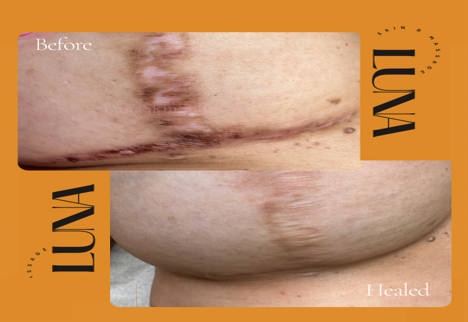
Tattooing can help reduce visual contrast, particularly when the main concern is a difference in colour between a flat, healed scar and the surrounding skin. It does not remove scar tissue, flatten a raised scar, or restore the skin to exactly how it looked before an injury or procedure.
What a Realistic Result Looks Like
Results can also appear different under various lighting conditions and as the surrounding skin changes with sun exposure or natural ageing. The most successful outcomes usually come from setting realistic goals: making an area less noticeable rather than making it invisible. Luna Skin Solution offering scar camouflage in Los Angeles generally advise clients to expect a meaningful improvement in appearance rather than a complete match. During a consultation, ask to see healed examples of work on skin concerns similar to your own.
How Is the Right Pigment Colour Chosen?
Colour matching is one of the most technical parts of paramedical tattooing. Skin is rarely a single flat shade; it contains combinations of warm, cool, neutral, red, olive, brown, and other undertones. Luna Skin solution may blend several pigments to create a custom match that works with the client’s surrounding skin.
Reading a Healed Portfolio
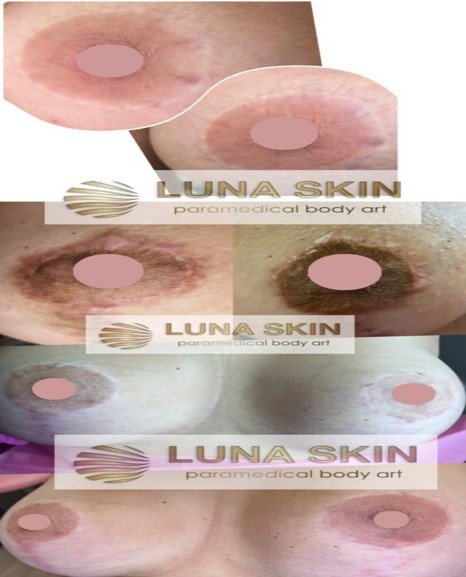
Clients comparing paramedical tattoo Los Angeles options should pay close attention to a Luna skin solution healed portfolio, not only photographs taken immediately after treatment. Fresh tattooing can look darker or warmer before the skin settles. In some cases, a conservative first session followed by a later adjustment produces a more natural-looking result than attempting an aggressive colour match in one appointment.
Does the Procedure Hurt?
Discomfort varies depending on the treatment area, the condition of the scar, individual sensitivity, and the length of the appointment. Tattooing involves repeatedly placing pigment into the skin with needles, so clients may experience sensations such as scratching, vibration, pressure, or mild stinging.
Scarred skin may also respond differently from unaffected skin because nerve sensation can be reduced, increased, or uneven after surgery or injury. Clients should tell the Luna skin solution if an area feels unusually painful or sensitive. Before the appointment, it is also worth asking what comfort measures are available and whether any preparation instructions need to be followed.
What Happens During Healing?
After a paramedical tattoo session, the treated area may look darker or more intense than the final result. Mild redness, tenderness, flaking, or temporary changes in appearance can occur as the skin heals. Clients should follow the Luna skin solution aftercare instructions carefully and avoid picking or scratching the area.
Aftercare Basics
Keeping the site clean and protecting healing skin from unnecessary irritation are important. Swimming, soaking, friction, and strong sun exposure may need to be avoided for a period recommended by the Luna skin solution. Healing varies, and pigment can soften as the skin recovers. A follow-up appointment may therefore be scheduled only after enough time has passed to judge the healed colour accurately. General tattoo aftercare guidance likewise emphasises cleanliness, avoiding soaking during healing, and watching for signs of infection.
How Many Sessions Will I Need?
There is no universal number of sessions. Some clients may be satisfied after an initial treatment and one refinement appointment, while others may require additional work because of scar characteristics, pigment retention, skin tone, or the complexity of the area. The Luna skin solution should explain that the process can be gradual.
Paramedical tattoo pigments can also change or fade over time. Sun exposure, skincare habits, skin changes, and individual pigment retention may affect longevity. Future colour refreshes can sometimes be needed. Before booking, clients should also check that the Luna skin solution works in a clean, permitted environment and follows appropriate hygiene procedures. Los Angeles County requires body-art Luna skin solution to register and body-art facilities to comply with public-health requirements designed to reduce infection and cross-contamination risks.
Book a Paramedical Tattoo Consultation in Encino
Paramedical tattooing can be a meaningful cosmetic option for people who want to reduce the visual impact of certain healed scars or restore natural-looking colour after medical procedures. However, it is not a scar-removal treatment, and results depend on the skin, the type of concern, pigment selection, healing, and Luna skin solution skill.
Before booking anywhere, focus on realistic expectations, healed examples of previous work, hygiene standards, proper registration, and a thorough consultation. If you are considering scar camouflage, stretch-mark blending or areola restoration in Encino or the wider Los Angeles area, Luna Skin Solution offers a complimentary consultation and photo evaluation so the treatment can be matched to your skin, your goals, and the result you hope to achieve.
Share
STAY IN THE LOOP
